

Cetis Hotel Telephone Singapore: What Should Operators Plan
For hotel operators in Singapore, the guest room telephone remains a critical tool for housekeeping and front desk coordination, even in an age of mobile apps. To ensure efficient daily updates and guest service, you should standardise on a reliable Cetis hotel telephone model that supports clear call routing, integrates with your existing PBX or VoIP system, and offers durable handsets that can withstand the rigours of daily housekeeping. This article provides a practical procurement and planning guide for 2026, focusing on call flow planning and device standardisation.
Direct Answer: What Should You Plan for Housekeeping and Front Desk Call Flows with Cetis Hotel Telephones?
Your housekeeping and front desk teams need a dependable guest room telephone that allows guests to reach housekeeping, front desk, and other services with a single touch. Plan to standardise on a Cetis model that supports programmable one-touch keys, clear audio, and integration with your hotel phone system. In 2026, consider VoIP-enabled Cetis telephones for flexibility and cost savings, and ensure your call flow planning includes daily update protocols, such as housekeeping status codes and front desk transfer procedures.
When is a Cetis Hotel Telephone the Right Fit for Your Singapore Hotel?
Cetis hotel telephones are particularly well-suited for hotels that value simplicity, durability, and cost-effectiveness. If your property is a mid-scale business hotel, a boutique property, or a large international chain, Cetis offers a range of models that can meet your needs. They are especially appropriate when you require a straightforward guest room telephone that guests can use intuitively, without the complexity of advanced IP phones. For housekeeping and front desk call flows, Cetis telephones provide reliable communication for daily updates, such as room status changes or guest requests.
Consider Cetis if you are upgrading from outdated analog systems or if you are building a new hotel and need a dependable, cost-effective telephone solution. As of 2026, many Singapore hotels are moving towards IP-based systems, and Cetis offers models that support both analog and VoIP, giving you flexibility in your infrastructure planning.
What Are the Key Decision Criteria for Cetis Hotel Telephone Standardisation?
When standardising on Cetis hotel telephones, focus on these criteria:
- Compatibility: Ensure the telephone works with your existing PBX or VoIP system. Check for SIP support and interoperability with major hotel property management systems (PMS).
- Durability: Guest room telephones must withstand frequent use and occasional drops. Look for models with reinforced housings and replaceable cords.
- Call Flow Features: Evaluate the ease of programming speed-dial keys for housekeeping, front desk, room service, and other services. Consider models with message-waiting indicators and do-not-disturb functions.
- Audio Quality: Clear, echo-free audio is essential for guest satisfaction and staff efficiency. Test the speakerphone and handset performance in a real room environment.
- Support and Warranty: Choose a supplier that offers local support and a solid warranty. In Singapore, you want a partner who can provide timely replacements or repairs.
By evaluating these factors, you can select a Cetis model that fits your operational needs and budget.
How Should You Implement Cetis Hotel Telephones for Housekeeping and Front Desk Coordination?
Implementation involves careful planning and coordination. Here is a step-by-step guide:
- Assess Your Current Infrastructure: Determine whether your hotel uses analog, digital, or VoIP telephone lines. This will influence the Cetis model you choose.
- Define Call Flow Requirements: Map out how housekeeping and front desk teams need to communicate. Identify which departments guests should reach with a single button press, and plan for daily update procedures, such as room status changes.
- Select the Right Cetis Model: Work with a supplier like Singapore-based AV and IPTV integrator Prestige Solutions to choose a model that meets your requirements. Consider future scalability.
- Plan Installation and Programming: Schedule installation during low-occupancy periods. Program speed-dial keys and configure the system for your call flow needs.
- Train Staff: Provide training for housekeeping and front desk staff on using the telephones effectively, including how to transfer calls and handle guest requests.
- Test and Refine: Conduct thorough testing of call flows and audio quality. Refine programming as needed before going live.
This structured approach ensures a smooth deployment and minimises disruption to hotel operations.
What Risks Should You Avoid When Deploying Cetis Hotel Telephones?
Several risks can undermine your telephone standardisation project. Avoid these common pitfalls:
- Ignoring Compatibility Issues: Failing to verify that the Cetis telephone works with your PBX or VoIP system can lead to costly integration problems. Always test a sample unit in your environment.
- Overlooking Call Flow Design: If you do not plan how calls should be routed, you may end up with frustrated guests and inefficient staff. Take time to design clear call flows for housekeeping and front desk.
- Choosing Price Over Quality: While cost is important, selecting the cheapest model may result in higher maintenance costs and shorter lifespan. Balance price with durability and features.
- Neglecting Staff Training: Even the best telephones are useless if staff do not know how to use them. Invest in training to ensure smooth operations.
- Forgetting About Support: In Singapore, you need a supplier who can provide prompt after-sales support. Choose a partner with a local presence and responsive service.
By being aware of these risks, you can plan proactively to avoid them.
Budget and Price Guidance in Singapore
When budgeting for Cetis hotel telephones in Singapore, consider the main cost drivers: the number of guest rooms, the model chosen, installation labor, and ongoing maintenance. As of 2026, guest room phone prices in Singapore can vary widely based on features and brand, but you should plan for a reasonable per-unit cost that includes warranty and support. Additional costs may include cabling, network infrastructure upgrades, and programming services. For a typical 200-room hotel, you might allocate a budget that covers the telephones, installation, and configuration, but exact figures depend on your specific scope. To get an accurate estimate, request a detailed quotation from a reputable supplier like Prestige Solutions.
Recommended Next Step: Contact Prestige Solutions for Your Cetis Hotel Telephone Project
To ensure a successful standardisation and call flow planning for your Cetis hotel telephones, the next step is to discuss your requirements with a trusted integrator. Contact Prestige Solutions today for a quotation or project review. Our team can help you select the right Cetis models, plan your call flows, and implement a solution that meets your operational needs. Reach us at +65 8010 2337 (also available on WhatsApp) or email sales@prestigesolutions.com.sg. For more information about our services, visit our homepage.
Frequently Asked Questions
What are the benefits of standardising on Cetis hotel telephones?
Standardising on Cetis hotel telephones simplifies maintenance, reduces training time, and ensures consistent call quality. It also allows for easier programming of call flows for housekeeping and front desk, improving operational efficiency.
How do Cetis hotel telephones integrate with existing hotel phone systems?
Cetis offers both analog and VoIP models, making them compatible with most PBX and VoIP systems. A professional integrator can ensure seamless integration and programming to match your call flow requirements.
What is the typical price range for Cetis hotel telephones in Singapore?
Prices vary based on model and features. As of 2026, you can expect to pay a competitive price that reflects the durability and functionality of the device. For an accurate quote, contact Prestige Solutions with your room count and requirements.
How long does it take to deploy Cetis hotel telephones in a hotel?
Deployment time depends on the number of rooms and the complexity of your call flow planning. A typical installation for a 200-room hotel might take a few days, including programming and testing, but this can vary.
Can Cetis hotel telephones support daily housekeeping updates?
Yes, Cetis telephones can be programmed with speed-dial keys for housekeeping, allowing guests to quickly request services. Housekeeping staff can also use the telephones to communicate room status updates to the front desk, streamlining daily operations.
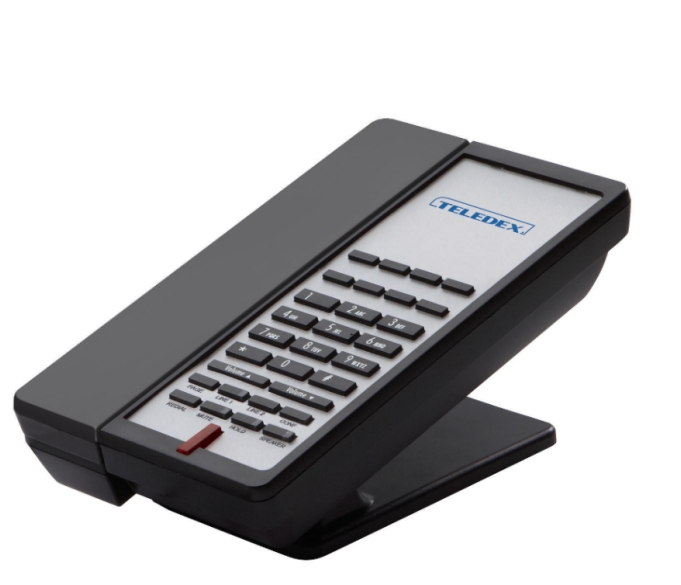
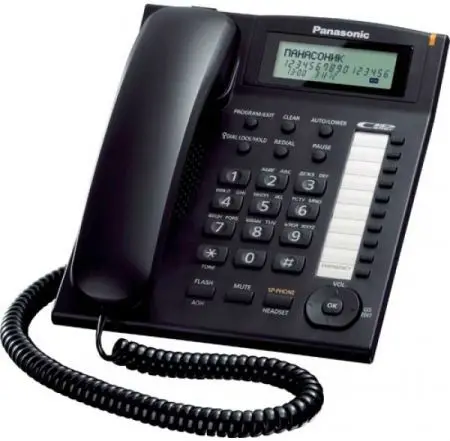
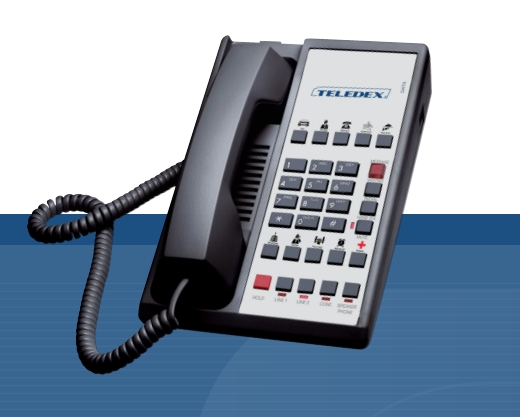
Cetis hotel telephone Singapore solutions from Prestige Solutions are designed to meet the needs of modern hotel operations. Contact us to start planning your standardisation today.


Interested in Our Solutions?
Explore our full product range or speak with our technical team for a tailored consultation.